Proper waste management is no longer a luxury—it’s a necessity. As landfills continue to fill at an unsustainable rate, both environmental experts and local councils are urging households to adopt more effective waste-sorting practices. Recycling is one of the most efficient ways to recover valuable resources, reduce environmental harm, and contribute to the global effort against climate change.
As part of this collective responsibility, every household in Perth has a role to play. Sorting rubbish for recycling at the source—your home—is one of the simplest and most effective ways to support sustainable waste management. Below, Swann Rubbish outlines practical strategies for sorting waste correctly, keeping your property clean, and reducing landfill contribution.
1. Implement a Multi-Bin System at Home
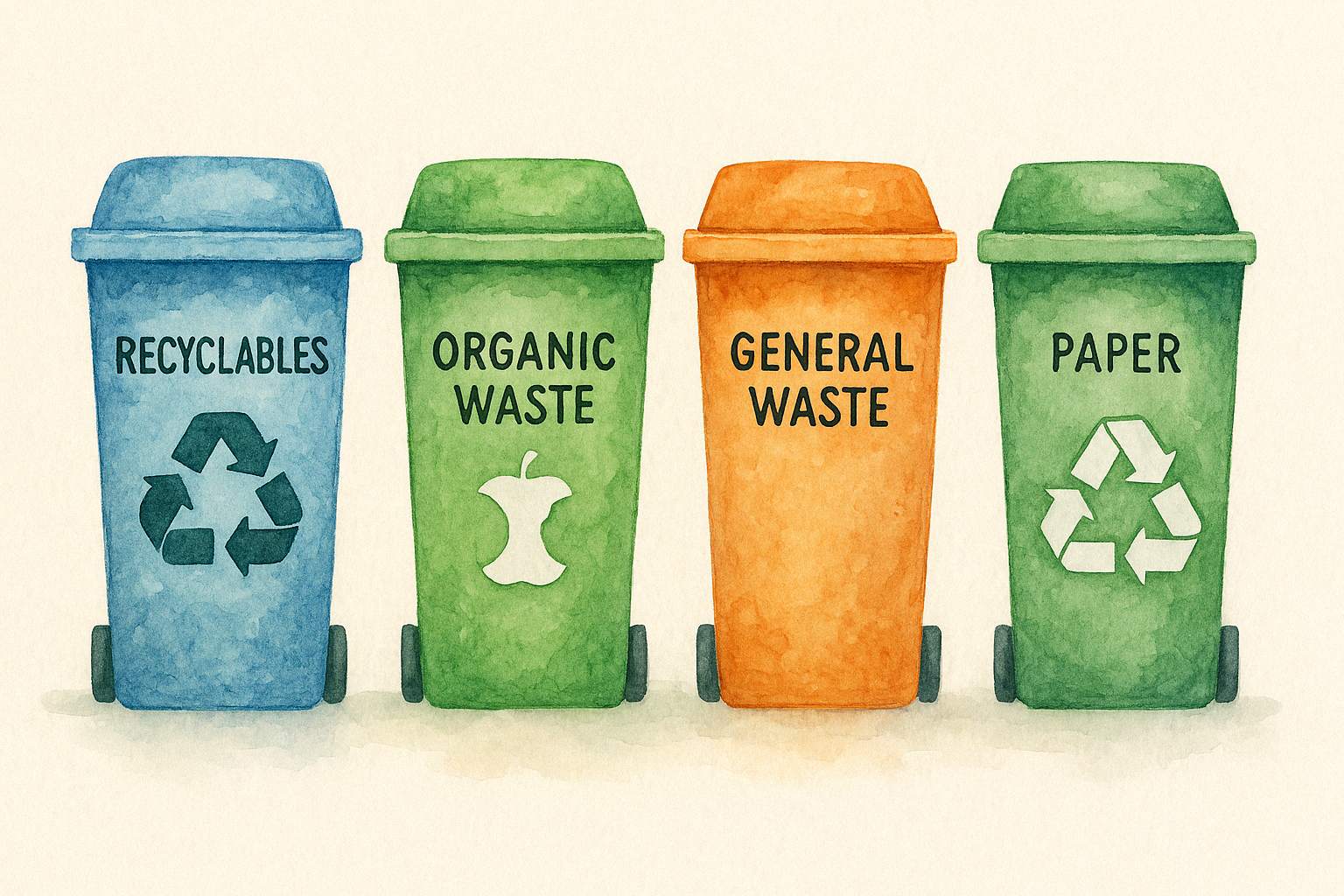
Establishing a clear, consistent system is the foundation of effective rubbish sorting. Instead of leaving sorting until the last moment, place dedicated bins in your home to categorise waste at the point of disposal. Key categories should include:
- Recyclables: Items like paper, cardboard, glass bottles, plastic containers, and aluminium cans.
- General Waste: Non-recyclable household waste that must be disposed of through regular collection.
- Organic Waste: Food scraps and garden clippings suitable for composting or green waste bins.
- Hazardous Materials: Batteries, paint, electronics, or chemicals that require special handling.
Clearly labelling bins and placing them in accessible areas will reinforce good habits and reduce contamination between waste types.
2. Prevent Rubbish Build-Up
Without a routine system, rubbish can accumulate quickly, creating health risks and an untidy environment. Scheduling regular clean-ups and sticking to local collection days will help you stay on top of rubbish volumes. For larger households or high waste output, consider engaging a specialist in rubbish removal Perth to streamline the collection and disposal process. Professional services offer scheduled pick-ups and can handle a wide range of waste categories safely and efficiently.
3. Manage Bulky Household Items Separately
Not all waste fits into regular bins. Bulky items such as whitegoods, furniture, mattresses, or renovation debris should be separated and removed by arrangement. Contact your local council or a private contractor to arrange pickup for:
- Fridges & washing machines
- Bed frames & mattresses
- Lounge suites & office furniture
- Outdoor equipment & garden waste in bulk
Leaving large waste items kerbside without authorisation may breach council guidelines and lead to fines. A qualified rubbish removalist Perth can assist with responsible disposal or recycling of these items.
4. Centralise Waste Collection Inside the Home
To avoid clutter and simplify sorting, establish a central waste collection point indoors. This helps reduce scattered rubbish bins throughout the house and encourages consistent separation. Ideally, this area should include:
- A general waste bin
- A recycling bin
- An organics bin for compostable waste
Empty these containers into external council bins or larger sorting units on a regular basis to maintain cleanliness and reduce odours.
5. Compost Food & Organic Waste
For households with outdoor space, composting is a practical and environmentally friendly way to reduce rubbish volume. Kitchen scraps such as fruit peels, vegetable trimmings, eggshells, coffee grounds, and garden clippings can all be composted.
Setting up a simple compost bin or pit provides several benefits:
- Reduces organic waste going to landfill
- Produces nutrient-rich compost to improve garden soil
- Decreases household greenhouse gas emissions
If composting is not feasible, most councils provide green bins for garden and food waste. Check your local regulations to see what can be included.
6. Know Your Local Waste Guidelines
Every Australian council has specific rules on recycling and rubbish disposal. This includes what materials are accepted, how they must be sorted, and which services are available to residents. Failure to follow these guidelines can result in fines or missed collections.
To stay compliant:
- Visit your local council website for up-to-date information
- Download council recycling guides or collection calendars
- Use the correct bins and avoid mixing recyclables with general waste
Following these rules ensures your waste is processed correctly and efficiently.
Final Thoughts
Sorting rubbish for recycling isn’t complicated—but it does require consistency and commitment. By implementing a structured bin system, engaging with professional disposal services, and staying informed on local rules, every household can contribute meaningfully to environmental sustainability.
Whether you’re clearing out a property, managing weekly waste, or removing bulky items, a planned approach to rubbish sorting is key. For reliable support, Swann Rubbish provides expert services tailored to responsible waste handling across Perth, helping you meet environmental obligations while maintaining a tidy and safe home.
Leave a Reply